
 Türkçe


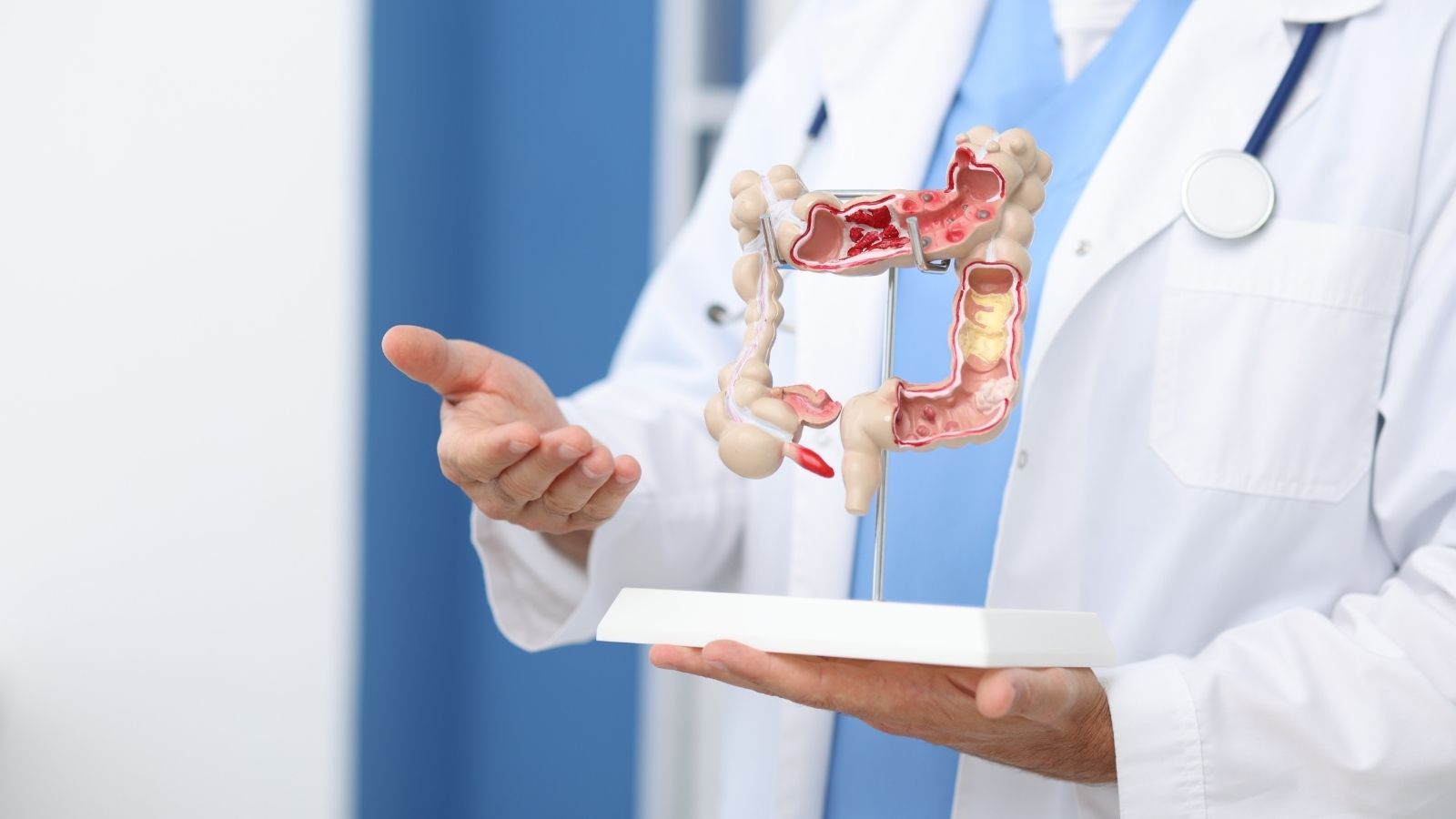
Colorectal surgery is a specialized field that treats benign and malignant conditions affecting the lower digestive tract—primarily the large intestine (colon), rectum, and anus—through surgical methods. Today, these operations can be performed using different techniques. In addition to traditional open surgery, minimally invasive approaches such as laparoscopic (keyhole) and robotic surgery form the foundation of modern colorectal surgery, offering advantages like faster recovery and less pain. The treatment plan is carefully tailored to the patient’s condition and the characteristics of the disease, with the aim of achieving the most effective and safest outcome.
| Key Facts | Information |
| What is colorectal surgery? | A medical field covering the surgical treatment of diseases of the colon (large intestine), rectum, and anus. |
| Which diseases does it treat? | Colon and rectal cancer, polyps, diverticulitis, inflammatory bowel diseases (Crohn’s disease, ulcerative colitis), bowel obstruction, anal fissure, hemorrhoids, fistula, rectal prolapse, and related conditions. |
| Common surgical procedures | Hemicolectomy, total colectomy, anterior resection, proctocolectomy, local tumor resections, anal surgeries (hemorrhoidectomy, fissure and fistula repair), and stoma creation (colostomy/ileostomy). |
| Surgical techniques | Open surgery (traditional), laparoscopic surgery (minimally invasive), and robotic surgery. The approach is chosen based on the disease type and the patient’s overall health. |
| Preoperative preparation | Evaluation typically includes a physical exam, colonoscopy, imaging (CT, MRI), and laboratory tests. Bowel preparation and anesthesia planning may be required. |
| Postoperative care | Hospital stay varies depending on the procedure. Some patients may need a temporary or permanent stoma. Nutrition, bowel function, and wound care are closely monitored. |
| Benefits | Removal of diseased tissue, prevention of cancer spread, symptom relief, and improved quality of life. Recovery may be faster with minimally invasive techniques. |
| Possible risks | Bleeding, infection, anastomotic leak, bowel obstruction, temporary urinary/sexual dysfunction, and stoma-related complications. |
| Follow-up | Regular postoperative check-ups, possible oncology treatments (chemotherapy/radiotherapy), stoma care, and nutrition education may be required. |

Rectal Cancer Surgery

Colon Resection

Diverticulitis Surgery

Colostomy

Ileostomy
Stoma Reversal Surgery

Small Intestine Surgery

Appendix Cancer Surgery

Appendectomy
Anterior Resection

Hemicolectomy

Colectomy

Pelvic Exenteration

Rectal Prolapse Surgery
You can contact Prof. Dr. Ebru Soy, one of the doctors performing Colorectal Surgery in Ankara, to get information about Colorectal Surgery prices, the process, and the hospital where Colorectal Surgery is performed.

Prof. Dr. Ebru Ayvazoğlu Soy
Education;
High School: TED Ankara College – Graduation: 1998
Faculty of Medicine: Hacettepe University Faculty of Medicine – Graduation: 2005
Specialization: General Surgery Residency Training – Başkent University Faculty of Medicine, Department of General Surgery – 2012
Post-Specialization Career;
2012–2014: Compulsory public service – Muş State Hospital
January 2014 – November 2022: Başkent University Faculty of Medicine, Department of General Surgery – Served as a specialist physician and later as an academician
March 2016 – October 2017: Başkent University Istanbul Practice Hospital – Deputy Director Responsible for Liver Transplantation
June 2020 – November 2022: Başkent University Ankara Hospital – Director of the International Patient Department
What Is Colorectal Surgery?
Colorectal surgery includes surgical procedures used to diagnose and treat diseases of the colon (large intestine), rectum, and anus. Conditions treated include cancers, inflammatory bowel diseases, diverticulitis, polyps, and hemorrhoids. Surgery may be performed using laparoscopic, robotic, or open techniques. The approach is planned based on the type and extent of the disease and the patient’s overall health.
Which Part of the Body Does Colorectal Surgery Focus On?
The anatomical focus of colorectal surgery is the colon, rectum, and anus—the final section of the digestive tract. However, its boundaries are not limited strictly to these organs. Because the body functions as an interconnected system, diseases in this region can directly involve neighboring organs. For example, a tumor in the rectum may also become relevant to the bladder or, in women, the uterus due to close anatomical proximity. For this reason, colorectal surgeons must have an excellent command of all pelvic structures and their relationships.
In the past, this area was often referred to as “proctology” and was largely limited to anal disorders. With advances in medicine, it became clear that these conditions are not always local problems; they can be part of more complex diseases affecting broader areas of the digestive tract and even other body systems. For instance, inflammatory bowel disease or advanced cancer may impact large portions of the gastrointestinal tract and systemic health. This is why the term “colorectal surgery” better reflects the scope and holistic approach required in this specialty.
Who Is a Colorectal Surgeon and Why Should You Choose a Specialist in This Field?
A colorectal surgeon is a physician who completes general surgery training and then undertakes additional advanced training focused specifically on the diagnosis and treatment of diseases of the colon, rectum, and anus. This extended training builds deep expertise not only in surgical techniques but also in the physiology—how these organs function—especially critical in complex rectal operations where continence must be preserved and in the treatment of functional disorders such as fecal incontinence.
Experience in this field is closely tied to the well-known “volume–outcome relationship.” As in any skill, the more frequently a surgeon performs a procedure, the greater their mastery becomes. Colorectal surgery—especially rectal cancer operations performed in a narrow pelvic space among delicate nerves and vessels—requires high precision and extensive experience. Surgeons and centers that perform these specialized operations regularly tend to anticipate risks better and achieve safer outcomes. Scientific studies also demonstrate that complication rates are significantly lower when these complex procedures are performed by expert surgeons in high-volume centers.
Modern medicine also relies on teamwork. In complex diseases such as cancer, the best decisions come from multiple specialists working together. The colorectal surgeon often sits at the center of this multidisciplinary team, collaborating with medical oncologists, radiation oncologists, radiologists, and pathologists to create the most appropriate treatment roadmap. This shared decision-making maximizes treatment success.
Which Cancer Types May Require Colorectal Surgery?
Surgery is the main treatment—and offers the highest chance of cure—especially when the disease has not spread to distant organs (localized disease) in cancers of the colon, rectum, and anus.
- Colon Cancer
The main goal in colon cancer surgery is to remove the segment of bowel containing the tumor, along with the regional lymph nodes and the main feeding vessels, with a clear margin—leaving no cancer cells behind. The plan depends on the stage of disease, and common approaches include:
Endoscopic polypectomy (for very early-stage tumors)
Partial colectomy (removal of the involved segment)
Extended lymph node dissection
Surgery in metastatic disease (to relieve obstruction or stop bleeding)
- Rectal Cancer
Rectal cancer requires a different and more complex approach than colon cancer due to its anatomical position. The rectum sits inside the pelvis, a narrow bony cavity, and lies close to vital structures such as the urinary tract and nerves responsible for sexual function. Therefore, rectal cancer surgery demands exceptional precision and experience. Treatment often starts with preoperative chemotherapy and radiotherapy (neoadjuvant therapy). This can shrink the tumor, make surgery safer, and significantly reduce local recurrence risk.
The gold standard surgical technique is Total Mesorectal Excision (TME). A helpful analogy is a letter inside an envelope: if the rectum is the letter, the fatty tissue around it (the mesorectum), containing lymphatic channels where cancer can spread, is the envelope. TME aims to remove this “envelope” intact, in one piece, without tearing it—minimizing the risk of leaving tumor cells behind. Common rectal cancer procedures include:
Low anterior resection (LAR) – preserves the anus and continence
Abdominoperineal resection (APR) – removes the anus and requires a permanent colostomy
- Anal Cancer
For most anal cancers, the primary treatment is not surgery. The standard approach is chemoradiotherapy (combined chemotherapy and radiotherapy). This treatment is highly effective and can achieve complete response in many patients. Surgery usually becomes relevant in selected situations:
- Residual tumor after chemoradiotherapy
- Recurrence despite treatment
- Very small early-stage tumors where surgery may be an option
To Make an Appointment for Diseases in the Field of General Surgery
You can contact us via WhatsApp by clicking the button.


What Role Does Colorectal Surgery Play in Inflammatory Bowel Disease?
In inflammatory bowel disease (IBD), surgery is not a “failure” of treatment—rather, it is an essential tool for solving serious complications and helping patients regain quality of life.
Ulcerative Colitis
Because ulcerative colitis affects only the colon and rectum, surgically removing these organs can eliminate the disease—providing a true cure. To allow bowel movements through the natural route, surgeons often perform a J-pouch (ileoanal pouch–anal anastomosis). In this procedure, a new “rectum” is created from the end of the small intestine and connected to the anus. Surgery may be required in ulcerative colitis when:
- Medical therapy does not provide adequate control
- The colon becomes dangerously enlarged (toxic megacolon)
- Severe bleeding cannot be controlled
- Cancer or precancerous changes develop in longstanding disease
Crohn’s Disease
Unlike ulcerative colitis, Crohn’s disease can affect any part of the digestive tract, so it cannot be cured by surgery. Therefore, the guiding principle is to be as bowel-sparing as possible. The goal is to treat only the segment causing complications—such as abscess, fistula, stricture, or perforation—while preserving bowel length needed for long-term nutrition and function. Common Crohn’s procedures include:
- Resection (removal of diseased bowel)
- Stricturoplasty (widening a stricture without removing bowel)
- Abscess drainage
- Fistula repair
When Does Surgery Become Necessary for Diverticular Disease and Benign Anal Conditions?
Diverticular Disease
Diverticula are small outpouchings that most commonly form in the sigmoid colon (the last part of the colon). When inflamed, the condition is called diverticulitis. Most attacks can be treated with medications, but surgery becomes necessary in complicated situations such as:
- Abscess formation
- Perforation (bowel rupture)
- Fistula formation (e.g., to the bladder)
- Bowel obstruction
- Frequent recurrent attacks that severely reduce quality of life
Diverticulitis surgery may be elective or emergency. In elective surgery, the diseased sigmoid segment is removed and the bowel ends are rejoined. In emergencies—such as perforation with widespread infection—surgeons may perform a life-saving Hartmann’s procedure: the diseased segment is removed, the lower end is closed, and the upper end is brought out as a colostomy. After recovery, a second operation can sometimes reverse the colostomy and restore bowel continuity.
Benign Anal Conditions
Hemorrhoids: Advanced hemorrhoids that do not respond to medical therapy, diet changes, or office procedures may require surgery.
Anal fissure: In chronic fissures resistant to medical treatment, the gold standard is Lateral Internal Sphincterotomy (LIS), where a small part of the internal sphincter muscle is divided to relieve spasm and allow healing.
Anorectal fistula: These abnormal tunnels between the anal canal and skin almost always require surgery. The key goal is eliminating the fistula while protecting the delicate sphincter muscles that control continence. Depending on complexity and sphincter involvement, options include:
- Fistulotomy (opening superficial/simple fistulas)
- Seton placement (controlled drainage/healing for complex fistulas)
- LIFT procedure (closing the fistula tract while preserving muscles)
- Flap techniques (repairing the internal opening using tissue advancement)
Which Modern Techniques Are Used in Colorectal Surgery?
The integration of technology has fundamentally changed how colorectal operations are performed. Today, different approaches exist, each with its own advantages.
Open Surgery: The traditional method performed through a long incision in the abdomen. It allows direct access and a wide view—still essential for very large tumors, severe adhesions from prior surgery, or emergency situations.
Laparoscopic (Minimally Invasive) Surgery: Instead of a large incision, several small (0.5–1 cm) incisions are made to insert a camera and long, delicate instruments. The surgeon operates while viewing a high-definition monitor. Benefits include:
- Less postoperative pain
- Smaller, more cosmetic scars
- Shorter hospital stay
- Faster return to normal life and work
- Less blood loss
- Lower risk of wound infection and incisional hernia
Robotic Surgery: The most advanced form of minimally invasive surgery. The surgeon operates from a console, controlling robotic arms that move instruments and the camera through small ports. Compared with laparoscopy, robotics offers key technological advantages: high-definition magnified 3D vision, wristed instruments with a greater range of motion (up to 540 degrees), and tremor filtration.
These advantages are particularly valuable in deep, narrow pelvic surgery—such as rectal cancer operations—where protecting delicate nerves is crucial. Robotic surgery can enable more precise and safer work in these challenging anatomical spaces. One major clinical benefit is a significantly lower likelihood of needing to convert a minimally invasive operation to an open procedure (“conversion”).
Contact Us.
You can request an online appointment by filling out the form. Our team will contact you as soon as possible.
What Should Patients Expect Before and After Colorectal Surgery?
A successful surgical outcome depends not only on excellent technique in the operating room but also on careful preoperative preparation and meticulous postoperative care.
Preoperative Preparation
Entering surgery in the best possible health condition directly improves recovery. What happens during preparation is often as important as the surgery itself:
- Detailed medical evaluation and review of health history
- Blood tests, chest imaging, and anesthesia assessment
- Imaging studies (CT, MRI, etc.) to define stage and spread
- Bowel preparation to optimize visibility and reduce infection risk
- In modern protocols, adding non-absorbable oral antibiotics to bowel preparation
- Thorough education for the patient and family about the surgical process
What Are Enhanced Recovery After Surgery (ERAS) Protocols?
Postoperative care has undergone a major transformation. Traditionally, patients stayed in bed for days, were kept fasting for long periods, and received high amounts of opioid pain medication. We now know these practices can slow recovery.
Enhanced Recovery After Surgery (ERAS) protocols are evidence-based measures designed to reduce the body’s stress response, accelerate recovery, and help patients return to normal life sooner. ERAS treats the patient as an active participant in recovery. Core principles include:
- Starting oral liquids within hours after surgery and solids the next day
- Early mobilization—getting the patient out of bed and walking as soon as possible
- Minimizing opioid painkillers that slow bowel function
- Avoiding unnecessary nasogastric tubes, urinary catheters, and drains
- Detailed education for the patient and family throughout the process
With this modern approach, even after major colorectal surgery, patients often feel more energetic, regain bowel function sooner, experience less pain, and can be discharged significantly earlier.
Frequently Asked Questions
When is colorectal surgery performed?
Colorectal surgery is performed to treat conditions involving the colon, rectum, and anus, such as cancer, polyps, diverticulitis, inflammatory bowel disease, and severe constipation. Depending on the diagnosis, open or laparoscopic techniques may be chosen.
How long does recovery take after colorectal surgery?
Recovery typically takes about 4 to 8 weeks. This can vary depending on the type of operation, the patient’s overall health, and whether complications occur.
How should nutrition be managed after colorectal surgery?
During recovery, easily digestible, low-fiber foods are preferred initially. Fiber is then gradually increased. Adequate fluid intake, avoiding gas-forming foods, and following your doctor’s recommendations are key.
What complications can occur after colorectal surgery?
Possible complications include infection, bleeding, anastomotic leak, bowel obstruction, and temporary bowel function changes. Risks vary based on the patient’s age, overall condition, and surgical extent.
What is the role of colorectal surgery in cancer treatment?
Colorectal surgery is one of the main treatments for colon and rectal cancers. Removing the tumor-bearing segment and nearby lymph nodes is critical to prevent spread and improve survival.
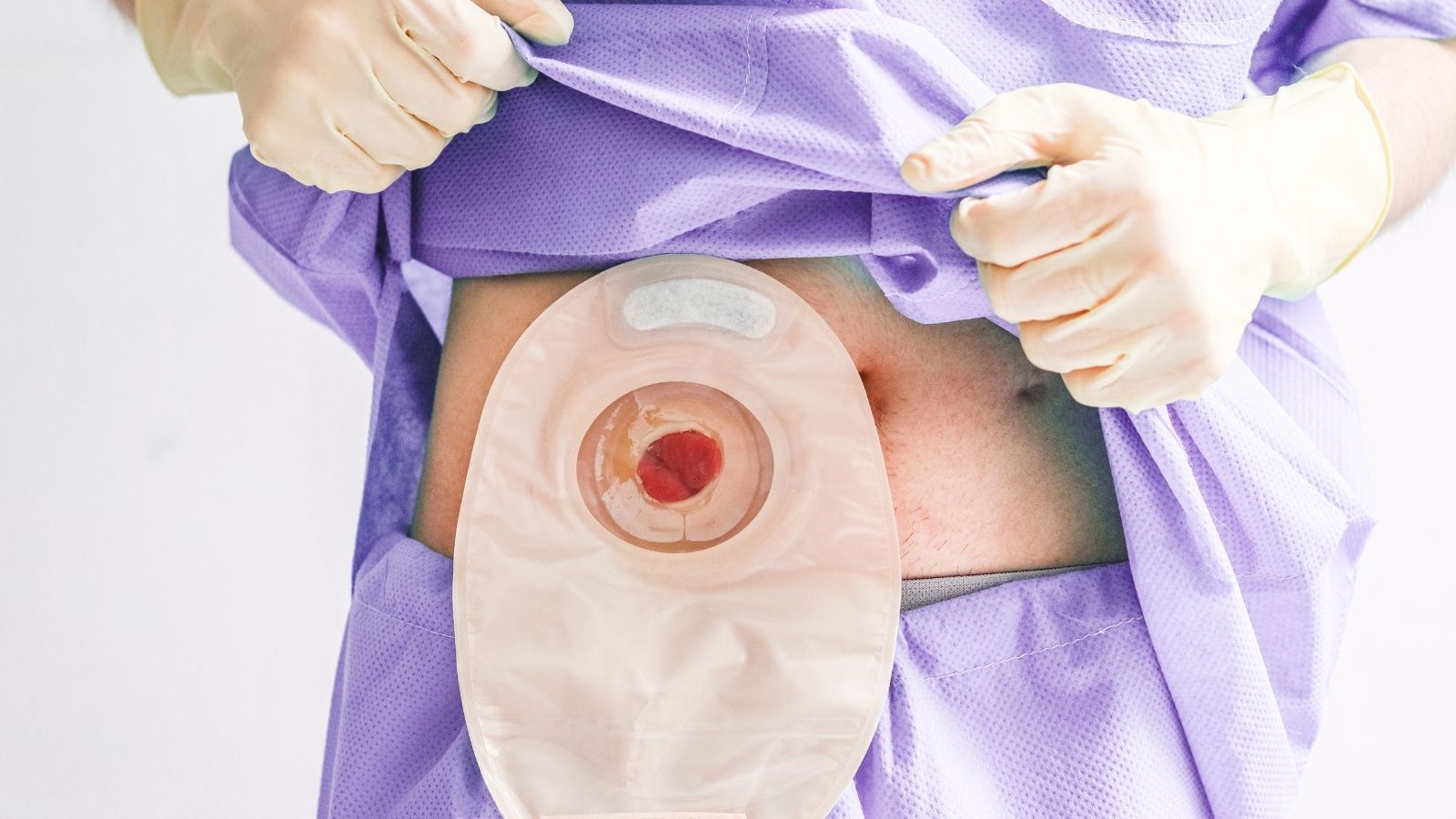
What does it mean to have a stoma after colorectal surgery?
In some cases, a temporary or permanent stoma may be created so stool can exit through an opening on the abdominal wall. This may be needed to allow the bowel to heal or when the rectum/anus must be removed.
Can colorectal surgery be performed during pregnancy?
During pregnancy, colorectal surgery is performed only when absolutely necessary—typically in emergencies or life-threatening situations. Timing and planning require special precautions for both mother and fetus.
How can gas and bowel control be affected after colorectal surgery?
After surgery—especially if rectal tissue is removed—gas and stool control may change temporarily or permanently. Pelvic floor exercises and dietary adjustments can help.
How does colorectal surgery affect quality of life?
Quality of life can vary depending on disease severity, the extent of surgery, and the presence of a stoma. With appropriate care, supportive treatment, and psychological support, many patients can return to normal life.
What are the advantages of laparoscopic techniques in colorectal surgery?
Laparoscopic colorectal surgery uses smaller incisions, which often leads to faster recovery, lower infection risk, shorter hospital stays, less postoperative pain, and better cosmetic outcomes.