
 Türkçe


ayrıca burası çok ö

Endocrine surgery is a branch of general surgery that focuses on the surgical treatment of diseases of endocrine glands such as the thyroid, parathyroid, adrenal glands, and neuroendocrine tumors of the pancreas, which regulate the body’s hormonal balance. This specialty aims to permanently resolve complex and significant health problems directly related to the body’s sensitive hormonal system, including removing cancerous tissue, relieving pressure effects caused by benign enlargements such as goiter, and addressing serious conditions such as high blood pressure, osteoporosis, or metabolic syndromes that develop due to excessive hormone production.

Parathyroid Surgery

Thyroid Surgery
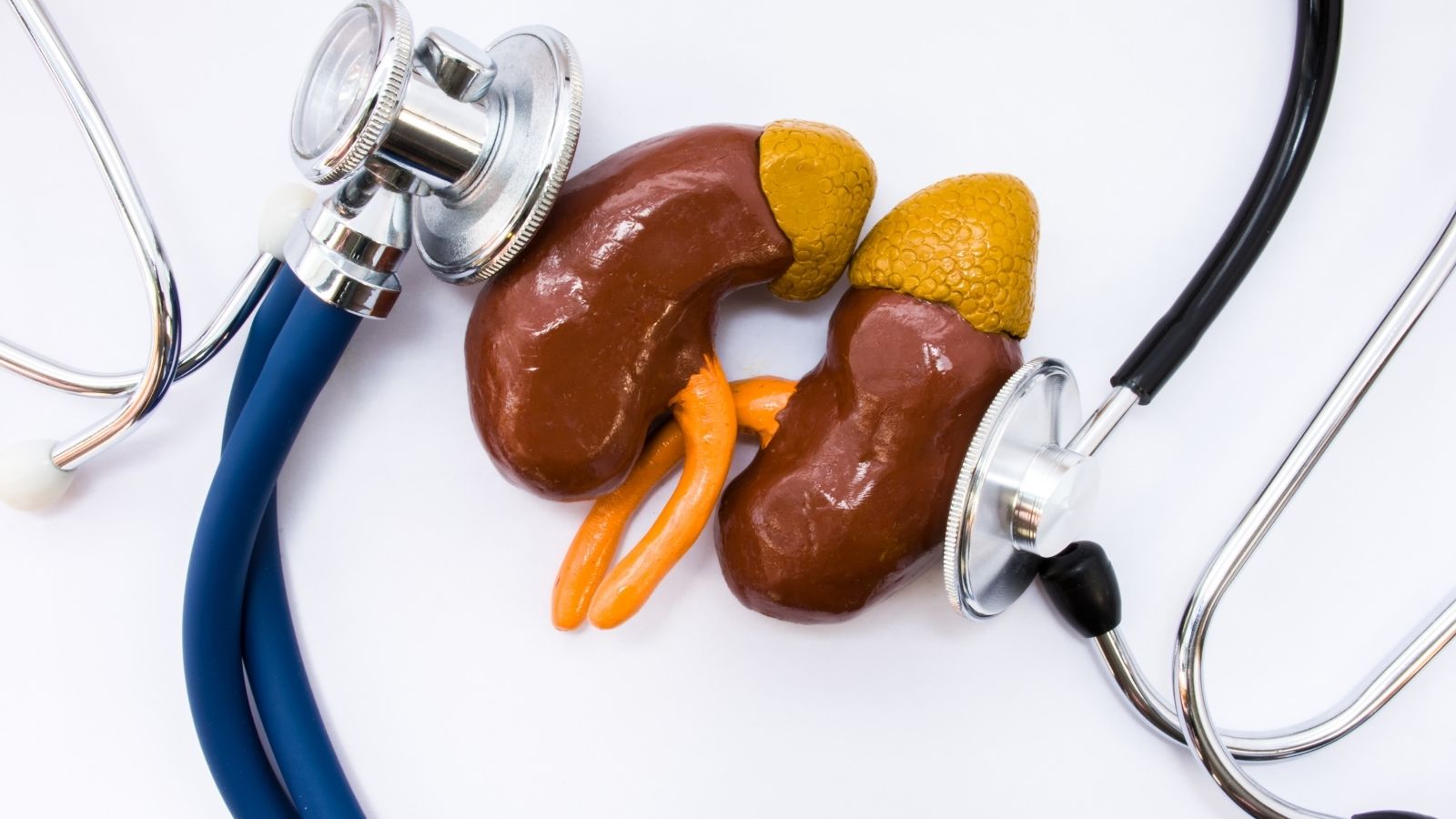
Adrenal Surgery
You can contact Prof. Dr. Ebru Soy, one of the doctors performing Endocrine Surgery in Ankara, to get information about Endocrine Surgery prices, the process, and the hospital where Endocrine Surgery is performed.

Prof. Dr. Ebru Ayvazoğlu Soy
Education;
High School: TED Ankara College – Graduation: 1998
Faculty of Medicine: Hacettepe University Faculty of Medicine – Graduation: 2005
Specialization: General Surgery Residency Training – Başkent University Faculty of Medicine, Department of General Surgery – 2012
Post-Specialization Career;
2012–2014: Compulsory public service – Muş State Hospital
January 2014 – November 2022: Başkent University Faculty of Medicine, Department of General Surgery – Served as a specialist physician and later as an academician
March 2016 – October 2017: Başkent University Istanbul Practice Hospital – Deputy Director Responsible for Liver Transplantation
June 2020 – November 2022: Başkent University Ankara Hospital – Director of the International Patient Department
What Is Endocrine Surgery and Which Diseases Does It Deal With?
It would be incomplete to think of endocrine surgery as simply cutting out and removing an organ. This field requires being able to speak the language of the body’s hormonal balance. An endocrine surgeon must know how to manage the patient’s hormonal status before, during, and after surgery. Because even the smallest intervention on one of these glands can create a domino effect that impacts the entire body. For this reason, surgeons working in this field operate as a team and stay in constant communication with specialists in endocrinology (hormone science), radiology, and pathology. The patient’s journey usually begins with a diagnosis by an endocrinologist, and when surgery is needed, the most accurate treatment plan is created through this teamwork.
The main focus areas of endocrine surgery are as follows:
- Thyroid Gland
- Parathyroid Glands
- Adrenal Glands
- Neuroendocrine Tumors of the Pancreas
Now let’s take a closer look at the diseases of these organs and their surgical treatment processes.
In Which Situations Does Thyroid Gland Surgery Become an Option?
The butterfly-shaped thyroid gland, located at the front of the neck like a shield, is the body’s energy powerhouse. There are various reasons that may lead to surgery due to problems that arise in this organ. The main conditions that require thyroid surgery are as follows:
- Thyroid cancer or suspicion of cancer
- Goiter that puts pressure on the windpipe or esophagus
- Large goiter that is noticeable from the outside and causes cosmetic concerns
- Toxic goiter (hyperthyroidism) that does not respond to medication or when medication cannot be used
- Nodules with suspicious fine-needle biopsy results that require a definitive diagnosis
Which Steps Are Followed Before a Thyroid Surgery Decision Is Made?
No thyroid surgery is undertaken unprepared. It is like a meticulous detective process, and each step determines the next move. The process begins by listening to the patient’s story. Is there thyroid cancer in the family? Was radiation therapy to the neck area received in the past? Did the nodule grow suddenly? The answers to these questions help us map out the risk. Then, during the physical examination, the size and firmness of the nodule and the status of lymph nodes in the neck are carefully checked by hand.
After this first step, blood tests come into play. The TSH (Thyroid-Stimulating Hormone) level, checked with a simple blood test, provides very valuable information about the nodule’s “character.” If TSH is low, this may indicate that the nodule is overactive and producing hormones. The cancer risk of these “hot” nodules is almost zero, and further examination is generally not necessary. However, if TSH is normal or high, the nodule is considered “cold” and must be examined closely because it carries a risk of cancer.
At this point, high-resolution neck ultrasonography, the closest friend of endocrine surgery, takes the stage. Ultrasound essentially takes an internal picture of the thyroid and shows us all the details of the nodule. An experienced eye can make important predictions about whether the nodule may be benign or malignant by looking at certain features on ultrasound.
Which Ultrasound Findings Raise Suspicion of Cancer in a Thyroid Nodule?
Some features we see in a nodule during ultrasound trigger our “could be cancer” alarm. These suspicious signs indicate that the nodule should be examined with a biopsy. These features are:
- Microcalcifications (tiny calcification specks inside)
- Irregular or rough margins
- A solid structure (not cystic, fluid-filled, but entirely tissue)
- A taller-than-wide shape
- Markedly darker appearance compared to the surrounding thyroid tissue (hypoechogenicity)
If such suspicious findings are present on ultrasound, the next and most definitive step is Fine-Needle Aspiration Biopsy (FNAB). In this procedure, cell samples are taken by inserting a very thin needle into the nodule under ultrasound guidance. A pathologist examines these cells under a microscope and provides a highly accurate result as to whether cancer is present. Sometimes the result may come back as “suspicious” or “indeterminate.” In such cases, advanced genetic tests (molecular tests) performed on the collected samples can help us clarify the decision for surgery.
To Make an Appointment for Diseases in the Field of General Surgery
You can contact us via WhatsApp by clicking the button.


Which Thyroid Surgery Techniques Are Used Today?
With advances in technology, thyroid surgery has undergone a major transformation. Instead of performing a standard operation for every patient, we now have the chance to choose the technique that best fits the patient’s condition and expectations.
- Conventional Open Thyroidectomy: This method is still the most commonly performed and is the “gold standard” technique that can be used safely for all kinds of thyroid diseases. It is performed through a horizontal incision hidden in a natural skin crease in the neck. The most delicate part of this operation is identifying and meticulously preserving the nerves that control the movement of the vocal cords and the tiny parathyroid glands that regulate the body’s calcium balance. This is the stage where the surgeon’s experience and anatomical knowledge stand out the most.
- Minimally Invasive and Scarless Techniques: These methods, developed especially for patients with cosmetic concerns, are becoming increasingly popular.
- MIVAT (Minimally Invasive Video-Assisted Thyroidectomy): This is a method performed with the help of a camera through a very small incision in the neck, such as 1.5–3 cm. It is particularly suitable for small nodules and glands.
- TOETVA (Transoral Endoscopic Thyroidectomy Vestibular Approach): This is one of the most exciting developments in surgery. In this technique, no incision is made on the neck skin. The operation is performed entirely endoscopically through three small entry points opened in the area between the lower lip and the teeth. The camera and special instruments are advanced under the skin to reach the thyroid gland, and the gland is removed through this route. The result is zero scarring on the neck. Of course, this method is not for patients with large goiters or widely spread cancer, but it is an ideal option for selected patients with small nodules or early-stage thyroid cancer.
Why Do Parathyroid Gland Diseases Require Surgery?
Usually hidden behind the thyroid gland, the four parathyroid glands—each about the size of a lentil—have a massive task despite their small size: maintaining the body’s calcium balance. When one or more of these glands, most often due to a benign tumor (adenoma), goes out of control and begins producing excessive amounts of parathyroid hormone (PTH), the condition known as primary hyperparathyroidism occurs.
Excess PTH pulls calcium from the bones into the bloodstream and raises blood calcium levels to dangerous levels. This is like slowly removing bricks from a house’s foundation. Over time, bones weaken and can fracture easily (osteoporosis). As the body tries to excrete excess calcium through the kidneys, kidney stones form. It can also lead to many complaints that reduce quality of life, such as fatigue, forgetfulness, muscle pain, and stomach discomfort. There is no medical (drug) treatment for primary hyperparathyroidism. The only permanent and definitive solution is surgical removal of the problematic gland or glands producing excess hormone.
What Is the Most Important Preparation Before Parathyroid Surgery?
The success of parathyroid surgery depends on one thing: accurately identifying the “address” of the problematic gland before surgery. In the past, surgeons had to explore both sides of the neck to find all four glands. It was like trying to find four tiny buttons in a dark room. However, thanks to modern imaging methods, we no longer have to do this today.
The diagnosis is made when both calcium and PTH are simultaneously high in the blood. After the diagnosis is confirmed, we use two main methods for localization.
- Neck Ultrasonography
- Sestamibi Scintigraphy (a nuclear medicine scan using a radioactive substance)
These two tests work like a GPS, showing us the location of the problematic gland. If both tests point to the same spot, the surgeon’s job becomes much easier. Instead of opening the entire neck, a focused operation called minimally invasive parathyroidectomy (MIP) can be performed with a small incision targeting only that area. This means much faster recovery, less pain, and a much smaller scar on the neck.
What Are the Main Reasons for Adrenal (Suprarenal) Surgery?
The adrenal glands, sitting like a cap on top of each kidney, produce hormones with critical roles such as helping the body cope with stress, regulating blood pressure, and maintaining water-salt balance. There are two main reasons these small but powerful organs may require surgery. The first is excessive hormone production, and the second is suspicion of cancer.
Hormone-producing (functional) tumors include:
- Conn Syndrome: Overproduces aldosterone, a hormone that raises blood pressure.
- Cushing Syndrome: Excessively secretes cortisol, which can lead to diabetes, obesity, and osteoporosis.
- Pheochromocytoma: Produces adrenaline hormones that cause sudden and dangerous blood pressure spikes, palpitations, and sweating.
- Situations that raise suspicion of cancer are as follows.
- Masses larger than 4–6 cm
- Tumors suspected of cancer based on imaging characteristics (Adrenocortical Carcinoma)
- Spread (metastasis) of another organ cancer, such as lung or kidney cancer, to the adrenal gland
How Do We Approach an Incidentally Found Adrenal Mass?
Today, with the increased use of imaging such as CT or MRI of the abdominal region, we very frequently encounter “adrenal incidentalomas,” meaning incidentally detected adrenal masses. In this situation, the first two questions that come to mind are: Is this mass producing hormones? and Is there a risk that this mass is cancer?
To find the answers to these questions, we conduct a comprehensive evaluation. First, we check the levels of all the hormones mentioned above (cortisol, aldosterone, adrenaline) with blood and urine tests. This step is vital. In particular, pheochromocytoma must be ruled out before any intervention. Because performing a needle biopsy without recognizing this tumor can trigger a life-threatening hypertensive crisis.
Second, we evaluate the radiological characteristics of the mass. A non-contrast CT scan provides a very valuable clue. If the density of the mass is low (below 10 Hounsfield Units), this indicates it is most likely a benign, lipid-rich adenoma. If the density is high or the size exceeds 4 cm, additional tests and usually surgery are recommended to assess cancer risk in more detail.
Contact Us.
You can request an online appointment by filling out the form. Our team will contact you as soon as possible.
Which Methods Are Preferred in Adrenal Gland Surgeries?
The method chosen for adrenal gland surgery depends entirely on the size and character of the tumor.
- Open Adrenalectomy: If the tumor is very large (for example, larger than 10–12 cm) or is thought to be malignant, open surgery is the only option. Because a cancerous tumor must be removed as a whole together with the surrounding tissues, without rupturing its capsule. This is only possible with open surgery, which provides a wide field of view.
- Laparoscopic (Closed) Adrenalectomy: This is the “gold standard” method for benign and smaller tumors. Performed with camera assistance through a few small openings in the abdominal wall, this surgery offers tremendous comfort for the patient. Postoperative pain is much less, the hospital stay is 1–2 days, and the return to normal life is much faster. This minimally invasive surgery can be performed via the abdomen (transabdominal) or from the back (posterior retroperitoneoscopic). In particular, the posterior approach is a more advanced technique that offers major advantages for patients who have had previous abdominal surgery or for obese patients, because it avoids entering the abdominal cavity altogether.
When Is Surgery Considered for Pancreatic Neuroendocrine Tumors?
Pancreatic neuroendocrine tumors (pNETs) are rare tumors arising from the hormone-producing islet cells of the pancreas. Some of them cause symptoms by producing excessive hormones (for example, insulinoma, which lowers blood sugar), while many grow silently and are detected incidentally.
The decision for surgery is based on whether the tumor produces hormones and on its size. If the tumor produces hormones, it must be removed surgically regardless of its size. In non-functioning tumors, size plays a critical role. Those larger than 2 cm are recommended for removal due to their malignant potential, while those smaller than 1 cm are usually only monitored. Tumors between 1–2 cm fall into a gray zone, and the decision for surgery is made together with the patient by considering many factors such as the tumor’s location, the patient’s age, and overall condition. Depending on the location in the pancreas, surgery for these tumors may sometimes require removing only the tumor (enucleation), sometimes removing the tail of the pancreas (distal pancreatectomy), and sometimes very large and complex operations such as the Whipple procedure.
What Can Patients Expect After Endocrine Surgery?
Every surgery has its own recovery process. In the postoperative period after endocrine surgery, there are some specific issues that require attention. Especially after total thyroidectomy or parathyroid surgery, the body’s calcium balance may be temporarily disrupted. We call this condition “hypocalcemia.”
What Are the Symptoms of Low Calcium (Hypocalcemia) After Surgery?
We always inform our patients about these symptoms in the postoperative period, because early recognition is important. The most common symptoms of hypocalcemia are:
- Numbness around the lips and mouth
- Tingling in the fingertips and toes
- Muscle cramps and pains
- In more severe cases, spasms
These symptoms are usually easily controlled with calcium and vitamin D supplements given after surgery and are most often temporary.
How Should Wound Care and Daily Life Be at Home After Surgery?
To successfully complete the recovery process, our patients must also follow some rules at home. Our general postoperative recommendations usually include the following:
- Protecting the surgical area from water for the first few days and keeping it dry afterward
- Protecting the neck incision scar from the sun with a high-SPF sunscreen for at least 6 months to prevent permanent discoloration
- Avoiding heavy lifting and strenuous exercise for the first few weeks
- Taking the thyroid hormone medication prescribed after total thyroidectomy regularly every morning on an empty stomach
- Never missing the follow-up appointments scheduled by your doctor